
Overview & Facts
What Is ADHD?
Attention deficit hyperactivity disorder (ADHD) affects children and teens and can continue into adulthood. ADHD is the most commonly diagnosed mental disorder of children. Children with ADHD may be hyperactive and unable control their impulses. Or they may have trouble paying attention. These behaviors interfere with school and home life.
It’s more common in boys than in girls. It’s usually discovered during the early school years, when a child begins to have problems paying attention.
Adults with ADHD may have trouble managing time, being organized, setting goals, and holding down a job. They may also have problems with relationships, self-esteem, and addiction.
Symptoms in Children
Symptoms are grouped into three categories:
Inattention. A child with ADHD:
Is easily distracted
Doesn’t follow directions or finish tasks
Doesn’t appear to be listening
Doesn’t pay attention and makes careless mistakes
Forgets about daily activities
Has problems organizing daily tasks
Doesn’t like to do things that require sitting still
Often loses things
Tends to daydream
What Causes ADHD?
No one knows exactly what causes ADHD, but certain things are known to play a role.
The Family Connection
ADHD runs in families. Anywhere from one-third to one-half of parents with ADHD will have a child with the disorder. There are genetic characteristics that seem to be passed down.
If a parent has ADHD, a child has more than a 50% chance of having it. If an older sibling has it, a child has more than a 30% chance.
Pregnancy Problems
Children born with a low birth weight, born premature, or whose mothers had difficult pregnancies have a higher risk of having ADHD. The same is true for children with head injuries to the frontal lobe of the brain, the area that controls impulses and emotions.
Studies show that pregnant women who smoke or drink alcohol may have a higher risk of having a child with ADHD. Exposure to lead, PCBs, or pesticides may also have a role.
How Common Is ADHD?
Many reports estimate that anywhere from 5% to 8% of school-age kids have the disorder. But the CDC now puts it at 11%.
Some studies have relied on parents saying that a health care provider told them their child has the disorder. But that doesn’t necessarily mean that the child meets all the criteria for the condition, says Craig Surman, MD, co-author of Fast Minds: How to Thrive if You Have ADHD (Or Think You Might).
Some doctors might give children an ADHD label even when they may have another educational, behavioral, or mental issue. The flip side is that some kids who truly have the disorder aren’t getting diagnosed with it.
ADHD in Adults?
ADHD is not just for kids. About 60% of children who have ADHD still have it when they grow up. Adult ADHD can affect work, relationships and other aspects of your life.
ADHD Types
3 Kinds of ADHDThere are three types of ADHD: Inattentive (formerly called ADD), hyperactive-impulsive, and combined.
Inattentive ADHDThe symptoms of inattentive ADHD may include daydreaming, disorganization, and careless mistakes.
Hyperactive-Impulsive ADHDFidgeting, nonstop talking, and impatience are among the symptoms of Hyperactive-Impulsive ADHD.
The person might procrastinate, not complete tasks like homework or chores, or frequently move from one uncompleted activity to another.
They might also:
- Be disorganized
- Lack focus
- Have a hard time paying attention to details and a tendency to make careless mistakes. Their work might be messy and seem careless.
- Have trouble staying on topic while talking, not listening to others, and not following social rules
- Be forgetful about daily activities (for example, missing appointments, forgetting to bring lunch)
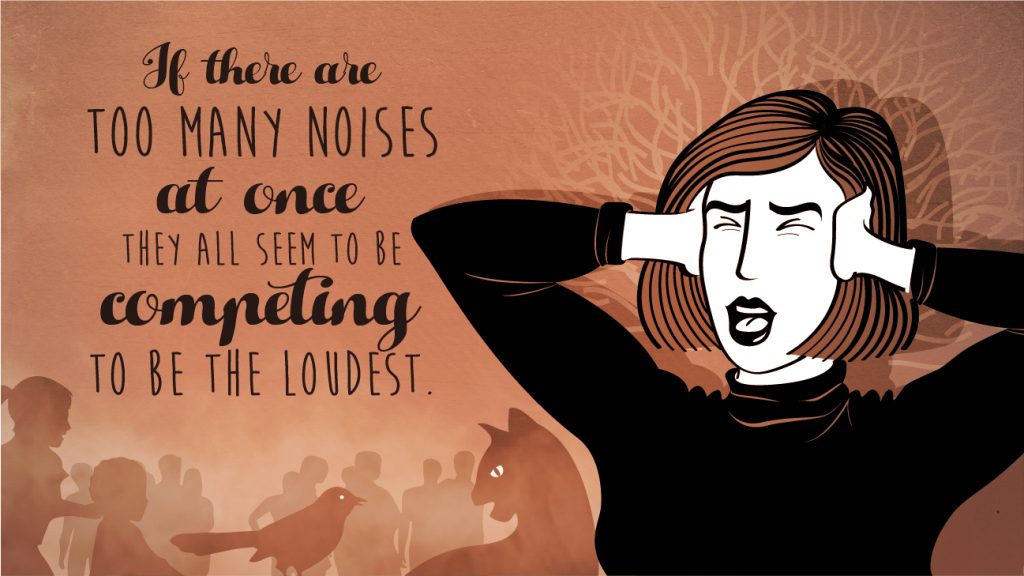
- Be easily distracted by things like trivial noises or events that are usually ignored by others.
Treating Adult ADHD
Symptoms of adult ADHD are generally treated with medicine. But there’s more to effective treatment than just taking a pill.
Finding the Right ADHD Treatment for You
Get tips for evaluating ADHD treatment options and making the right decisions for your unique circumstances.
Questions to Ask Your Doctor
Here are 10 questions you should ask your doctor about treating adult ADHD.
Therapy for ADHD
Talking to a therapist helps some people with ADHD learn to manage their symptoms.
ADHD Medications
ADHD Drug Chart
This side-by-side comparison of the various types of medications used for ADHD also includes their most common side effects.
Long-Term Risks of ADHD Drugs
Is the medicine you need safe for the long haul?
What Is Titration?
‘Titration’ means working with your doctor to find the best medication and the right dosage. Here’s how it works.
Reduce Side Effects
Tips to reduce the most common side effects of ADHD medications.
Non-Drug Treatments for ADHD
Can You Control ADHD Without Medication?
Behavior modification and mindfulness are among the techniques that may ease ADHD symptoms.
Alternative Treatments
Alternative treatments for ADHD include elimination diets, supplements, parent training, neurofeedback, and memory training.
Vitamins and Supplements
Learn which vitamins and supplements may have an effect on ADHD symptoms.
ADHD Diets
There’s no evidence that ADHD is caused by diet or nutritional problems. But certain foods may play a role in affecting symptoms in a few people, research suggests.
Adult ADHD and Exercise
Exercise isn’t just good for shedding fat and toning muscles. It helps keep your brain in shape, too.

- Not typical for the person’s age. (Most children can behave in those ways at some point or another, though.)
- Has a negative impact on the person’s ability to function at home, in social environments, or at work.
- They also have to consistently display at least six of the above symptoms:
- For at least 6 months
- And in at least two settings, such as at home and in school
What Is ADHD?
Attention deficit hyperactivity disorder (ADHD) affects children and teens and can continue into adulthood. ADHD is the most commonly diagnosed mental disorder of children. Children with ADHD may be hyperactive and unable control their impulses. Or they may have trouble paying attention. These behaviors interfere with school and home life.
It’s more common in boys than in girls. It’s usually discovered during the early school years, when a child begins to have problems paying attention.
Adults with ADHD may have trouble managing time, being organized, setting goals, and holding down a job. They may also have problems with relationships, self-esteem, and addiction.
Symptoms in Children
Symptoms are grouped into three categories:
Inattention. A child with ADHD:
Is easily distracted
Doesn’t follow directions or finish tasks
Doesn’t appear to be listening
Doesn’t pay attention and makes careless mistakes
Forgets about daily activities
Has problems organizing daily tasks
Doesn’t like to do things that require sitting still
Often loses things
Tends to daydream
What Causes ADHD?
No one knows exactly what causes ADHD, but certain things are known to play a role.
The Family Connection
ADHD runs in families. Anywhere from one-third to one-half of parents with ADHD will have a child with the disorder. There are genetic characteristics that seem to be passed down.
If a parent has ADHD, a child has more than a 50% chance of having it. If an older sibling has it, a child has more than a 30% chance.
Pregnancy Problems
Children born with a low birth weight, born premature, or whose mothers had difficult pregnancies have a higher risk of having ADHD. The same is true for children with head injuries to the frontal lobe of the brain, the area that controls impulses and emotions.
Studies show that pregnant women who smoke or drink alcohol may have a higher risk of having a child with ADHD. Exposure to lead, PCBs, or pesticides may also have a role.
How Common Is ADHD?
Many reports estimate that anywhere from 5% to 8% of school-age kids have the disorder. But the CDC now puts it at 11%.
Some studies have relied on parents saying that a health care provider told them their child has the disorder. But that doesn’t necessarily mean that the child meets all the criteria for the condition, says Craig Surman, MD, co-author of Fast Minds: How to Thrive if You Have ADHD (Or Think You Might).
Some doctors might give children an ADHD label even when they may have another educational, behavioral, or mental issue. The flip side is that some kids who truly have the disorder aren’t getting diagnosed with it.
ADHD in Adults?
ADHD is not just for kids. About 60% of children who have ADHD still have it when they grow up. Adult ADHD can affect work, relationships and other aspects of your life.
ADHD Types
3 Kinds of ADHDThere are three types of ADHD: Inattentive (formerly called ADD), hyperactive-impulsive, and combined.
Inattentive ADHDThe symptoms of inattentive ADHD may include daydreaming, disorganization, and careless mistakes.
Hyperactive-Impulsive ADHDFidgeting, nonstop talking, and impatience are among the symptoms of Hyperactive-Impulsive ADHD.
Overall, hyperactivity tends to diminish with age. But inattention tends to last into adulthood.
Treatment can help. And a great many children with ADHD ultimately adjust. Some — about 20% to 30% — have learning problems that ADHD treatment may not help, though.
As they grow older, some teens who’ve had the disorder since childhood may have periods of anxiety or depression. When there are more demands at school or home, symptoms of ADHD may get worse.
A child with hyperactive behavior may get symptoms of other disruptive disorders, like oppositional-defiant disorder.
These children are especially at risk to be more likely to drop out of school. If you’re concerned, talk to your or your child’s doctor about your treatment options. Medications, behavioral therapy, and other tactics can help.
Get tips for living with ADHD, including how to navigate jobs and relationships and get more organized.
What It’s Like to Have ADHD
Some people with ADHD describe it as “a chronic sense of overwhelmed” or say they have “no filter.”
The Upside of ADHD
People with ADHD tend to have high energy levels, and can hyper-focus on things that interest them.
Executive Function
What is executive function, and why does it matter to people with ADHD?
Risky Behavior
Some people with ADHD are prone to risky or impulsive actions. Find out why, and what you can do about it.
ADHD In the Workplace
ADHD can make it difficult to be effective at work. Learn ways to cope, including the importance of treatment to help maintain focus and productivity.
How ADHD Affects Relationships
Learn how ADHD can hurt your marriage, relationship or friendship, and find strategies to deal with these issues.
Parenting When You Have ADHD
Being a good parent can be a challenge when you have ADHD. But there are ways to make it easier.
Aging With ADHD
Understand what you need to know when you’re diagnosed with ADHD later in life.
ADHD and Sleep Problems
Sleep problems often go hand in hand with ADHD. Find out why, and get some tips to help you sleep better.
Anxiety, Stress, and ADHD
Not only do ADHD symptoms cause stress, but some ADHD medications may also increase feelings of anxiety. Learn what you can do to better cope with anxiety and stress.
ADHD Help Organizations
Looking to broaden your understanding of ADHD? These organizations can help.
ADHD Message Board
Meet others who live with ADHD and get answers to your questions on WebMD’s message board.

Symptoms of this include:
- Impatience
- Having a hard time waiting to talk or react
The person might:
- Have a hard time waiting for their turn.
- Blurt out answers before someone finishes asking them a question.
- Frequently interrupt or intrude on others. This often happens so much that it causes problems in social or work settings.
- Start conversations at inappropriate times.
Impulsivity can lead to accidents, like knocking over objects or banging into people. Children with ADHD may also do risky things without stopping to think about the consequences. For instance, they may climb and put themselves in danger.
Many of these symptoms happen from time to time in all youngsters. But in children with the disorder they happen a lot — at home and school, or when visiting with friends. They also mess with the child’s ability to function like other children who are the same age or developmental level.